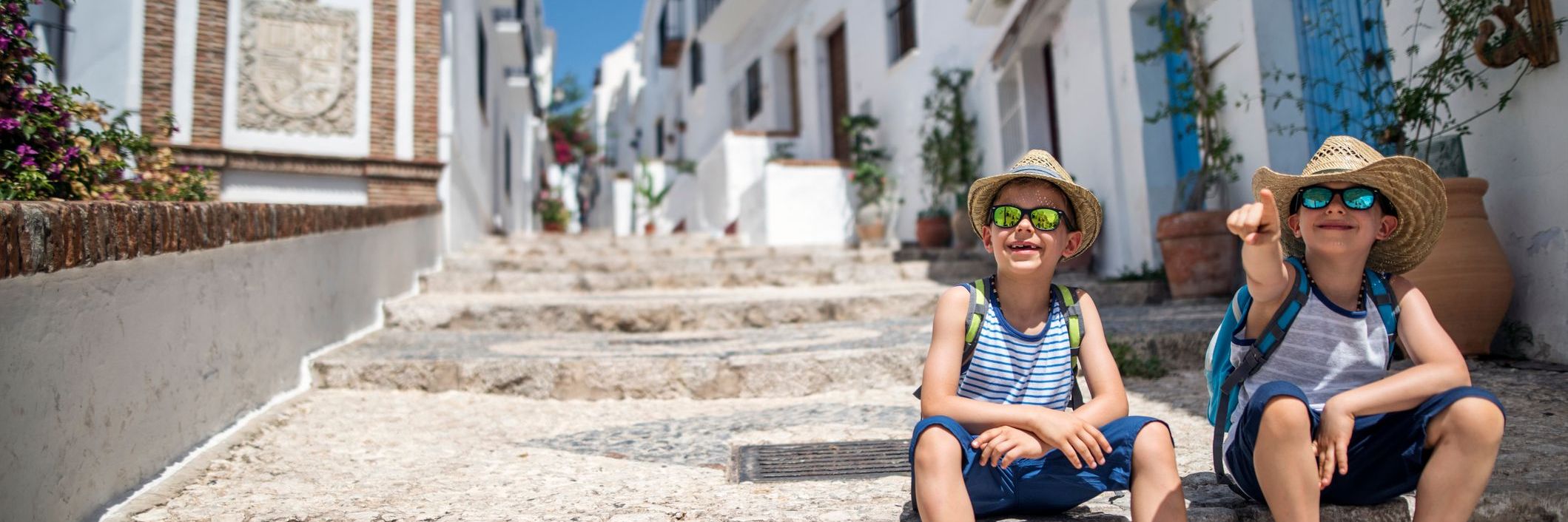
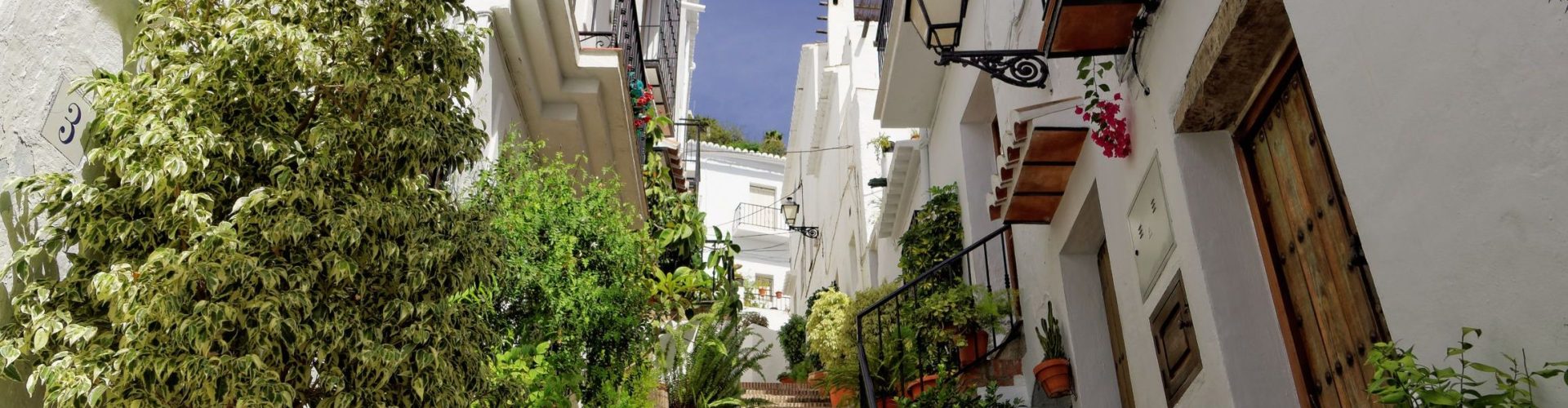
At first glance, Frigiliana old town looks almost too tidy to be real. The photos you see online show rows of white houses climbing a hillside, narrow streets winding between them, and flowerpots lining the walls. It’s easy to assume it’s just a quick stop for a few pictures before heading back to the coast.
But once you start walking through the old town Frigiliana, you realise there’s more going on than the photos suggest.
This part of the village is known as the Barribarto, the Moorish quarter that formed the original settlement centuries ago. The street layout still reflects that history. Paths curve around corners, staircases appear between houses, and small terraces open up with views towards the Mediterranean.
Frigiliana is often described as one of the most attractive villages in Málaga province. The reason becomes obvious once you spend a little time walking its streets.
Discover the most beautiful corners of Frigiliana Old Town
The easiest way to explore Frigiliana old town is simply to wander. The historic centre isn’t large, but the streets twist in ways that constantly reveal new viewpoints and small corners.
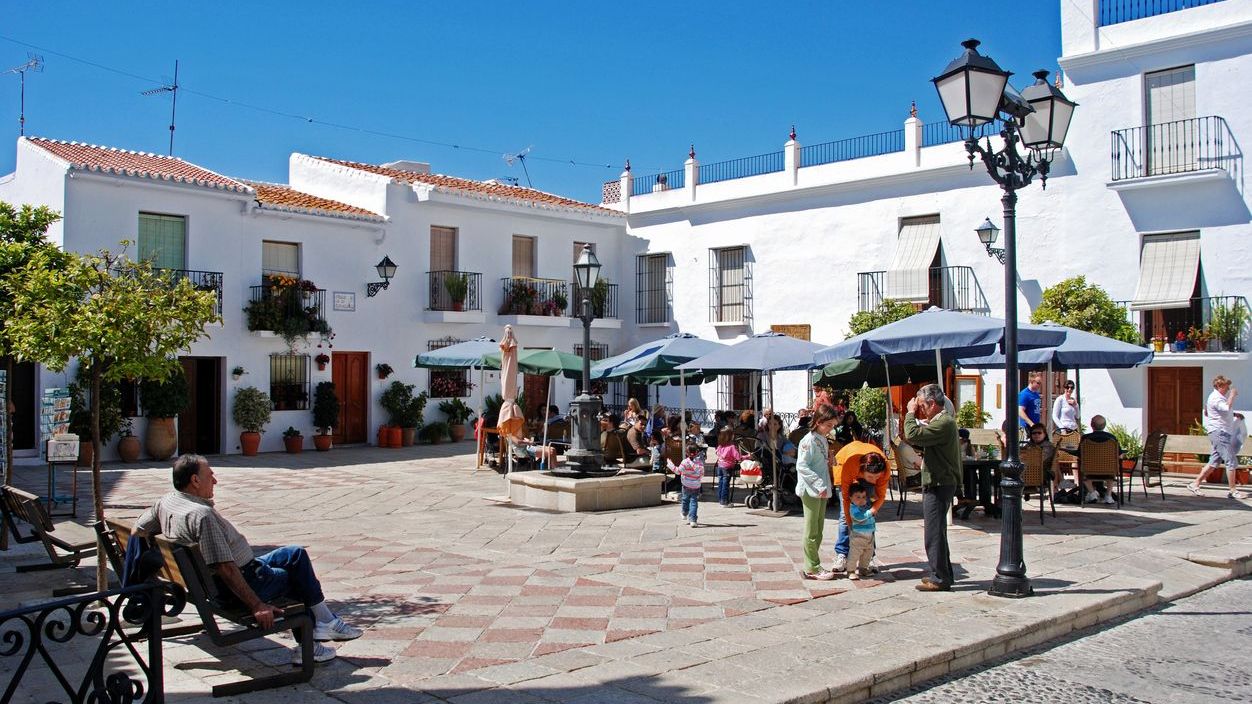
Most visits begin near Plaza de las Tres Culturas, a small square that marks the entrance to the historic district. From here, narrow streets begin to climb gently into the hillside.
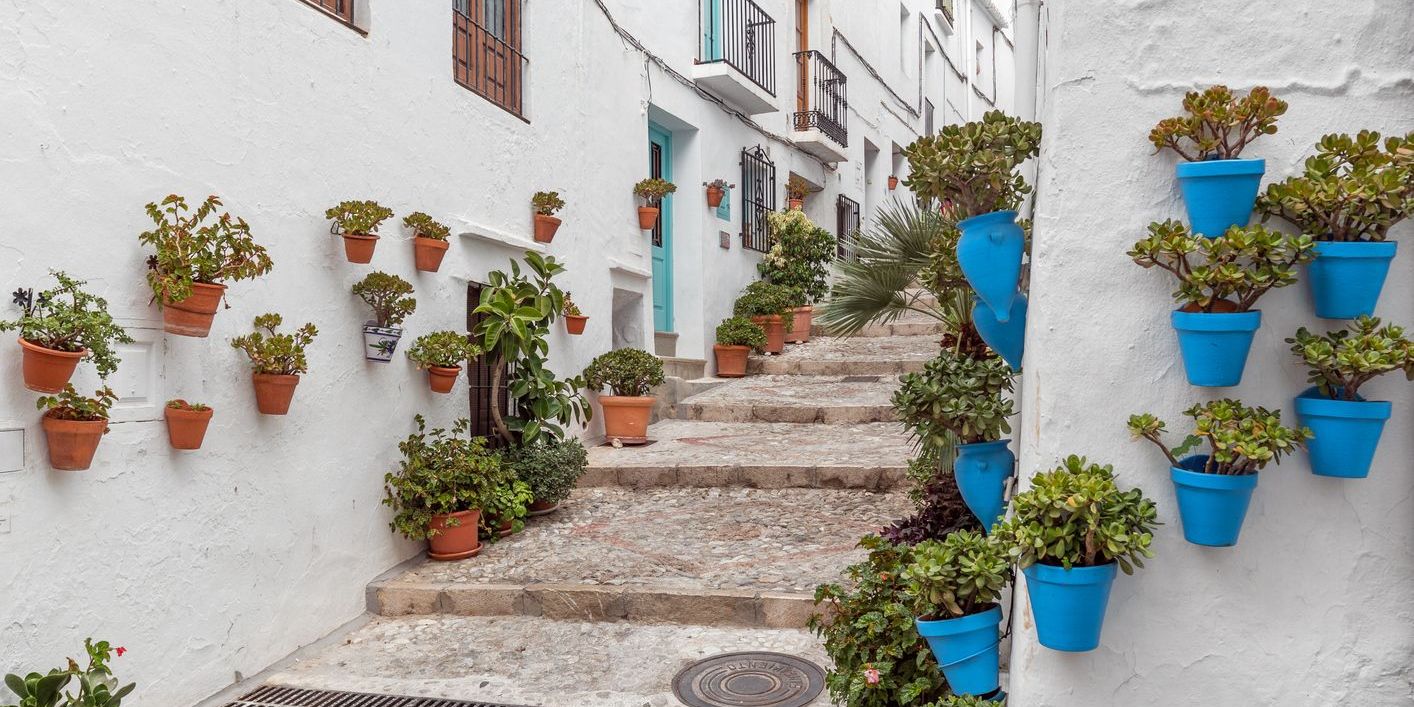
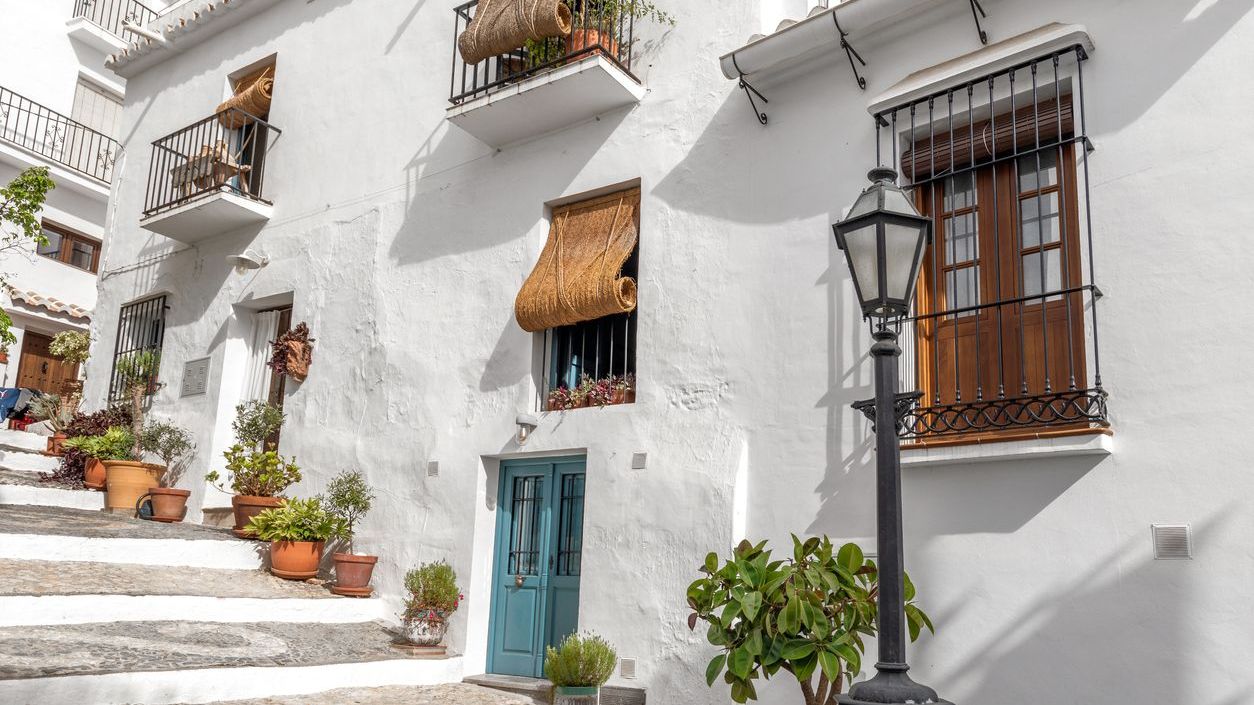
One of the best-known streets is Calle Real, which runs through the centre of the old quarter. Houses here follow the traditional Andalusian style: bright white walls, coloured doors, and balconies filled with plants. Along the walls and pavements you’ll also notice decorative ceramic plaques that explain key moments from the village’s history.
Part of the charm of the village lies in the small details. Decorative tiles embedded in the ground, quiet stairways leading between houses, and narrow passages that suddenly open onto viewpoints overlooking the valley below.
Just outside the historic streets stands the Palacio de los Condes de Frigiliana, a Renaissance-era building that once played an important role in the region’s sugar industry.
What to see and do in Frigiliana’s historic centre
Although wandering the streets is the main attraction, there are a few things that stand out when exploring the old town – Frigiliana.
One of the most distinctive features is the series of ceramic history panels built into the walls along the streets. These illustrated plaques explain the story of the village, particularly the conflict between Moorish residents and Christian forces during the sixteenth century.
Following these panels effectively turns a walk through the village into a simple self-guided history route.
You’ll also find a number of small artisan shops scattered through the historic centre. Many sell handmade ceramics, leather goods, pottery and locally produced crafts. Frigiliana is also known for its sugar cane honey, known locally as miel de caña, which appears in many local dishes.
Cafés and small restaurants are tucked into corners throughout the old quarter. Several have terraces overlooking the valley, which makes them good places to stop for a drink while watching daily life in the village.
For a broader look at the area, you can also read our guide to things to do in Frigiliana.
Walking routes through the streets of Frigiliana
Because the village climbs the hillside, exploring Frigiliana old town naturally becomes a slow uphill walk. A simple route is to begin near Plaza de las Tres Culturas, which sits just above the newer part of town and marks the entrance to the historic quarter.
From here, follow Calle Real, one of the main streets running through the old town. Along this stretch you’ll notice ceramic plaques set into the walls and pavement that explain moments from Frigiliana’s Moorish history. The street gradually branches into smaller lanes such as Calle Hernando el Darra and Calle Alta, where the houses sit closer together and staircases begin to connect different levels of the village.
As you climb higher, the views begin to open up. Small viewpoints appear between the houses, offering views across the valley towards Nerja and the Mediterranean beyond.
At the top of the old quarter you’ll reach the gardens of El Fuerte, the site of a former Moorish fortress and one of the highest points in the village. From here, most visitors simply wander back down through different streets, which often reveal corners of the village they missed on the way up.
Where to eat and try the local cuisine in Frigiliana Old Town
Food is part of the experience when visiting old town Frigiliana. Restaurants here tend to be small, informal and often built into terraces along the hillside, so meals frequently come with views across the valley or over the rooftops of the historic centre.
One of the best-known places to eat in the old quarter is El Jardín. The restaurant sits on a terrace just below the main streets of the village and looks out towards the countryside and the Mediterranean beyond.
Nearby, Restaurante Adarve is another popular option, located along the edge of the old town walls. Tables here overlook the landscape below, and the menu focuses on Spanish cooking with a slightly more modern approach. Dishes often feature Iberian pork, grilled fish and regional wines from Andalucía.
If you’re looking for somewhere smaller and more traditional, La Taberna del Sacristán sits tucked into one of the narrow streets near the village church. Inside you’ll find a rustic interior and a menu based around classic tapas and hearty Andalusian dishes.
For another viewpoint over the valley, Restaurante El Mirador offers tables that look down towards Nerja and the Mediterranean. The menu is simple and focuses on grilled meats, seafood and traditional Spanish plates.
You’ll also come across smaller tapas spots like La Bodeguilla, where visitors often stop for a quick drink and a few dishes while exploring the streets.
Frequently asked questions about visiting Frigiliana Old Town
Is Frigiliana Old Town worth visiting?
Yes. The village is widely regarded as one of the most attractive historic towns in Málaga province thanks to its preserved Moorish street layout and hillside views.
How long should you spend in Frigiliana?
Most visitors spend two to three hours walking through the historic centre, stopping for food or visiting viewpoints.
Is Frigiliana Old Town walkable?
Yes. The historic area is pedestrian-friendly, although some streets involve slopes and staircases due to the hillside setting.
Can you visit Frigiliana from Nerja?
Absolutely. The village is only about ten minutes from Nerja by car, making it a popular day trip.
Plan your visit to Frigiliana’s Old Town
Walking through Frigiliana old town is less about ticking off attractions and more about enjoying the atmosphere of a historic Andalusian village. The narrow Moorish streets, hillside viewpoints and relaxed pace make it a place that rewards slow exploration.
Because the village sits so close to the coast, it fits easily into a wider trip across the eastern Costa del Sol. Many visitors combine a walk through Frigiliana with time in Nerja, nearby beaches or hiking routes in the surrounding mountains.
If you’re planning a trip to this part of southern Spain, browsing the At Home collection is a practical place to begin. Their villas and holiday accommodation across the Costa del Sol offer a comfortable base for exploring destinations like Frigiliana, Nerja, Malaga, and the surrounding countryside.