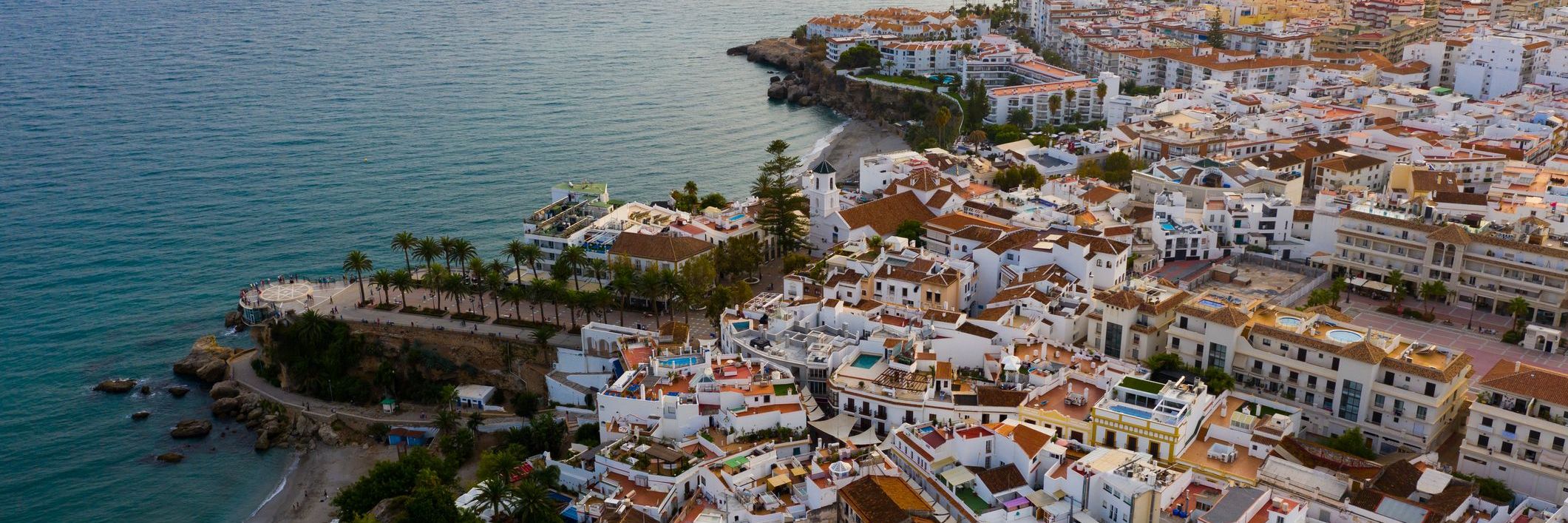
The Nerja caves are one of the most visited attractions on the eastern Costa del Sol, and for good reason. Located just outside the town of Nerja, these caves are easy to reach, well organised, and open year‑round. For travellers staying along the coast, the Nerja caves Spain experience usually takes half a day and works well alongside beaches, village visits, hillside strolls, or a relaxed lunch nearby.
This guide explains how the Nerja caves work in practice. You will find clear information on where they are, how long to allow, what you actually see inside, and what to book in advance. If you’re deciding whether the caves in Nerja Spain are worth fitting into your Costa del Sol plans, this should help make things a lot easier.
Introduction to the Nerja caves and how the visit works in reality
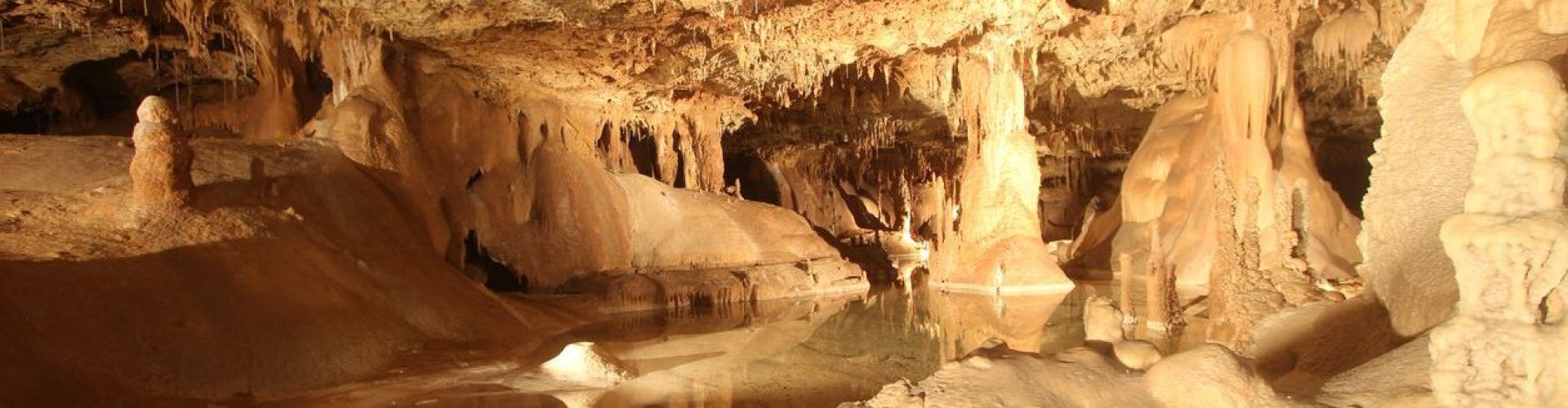
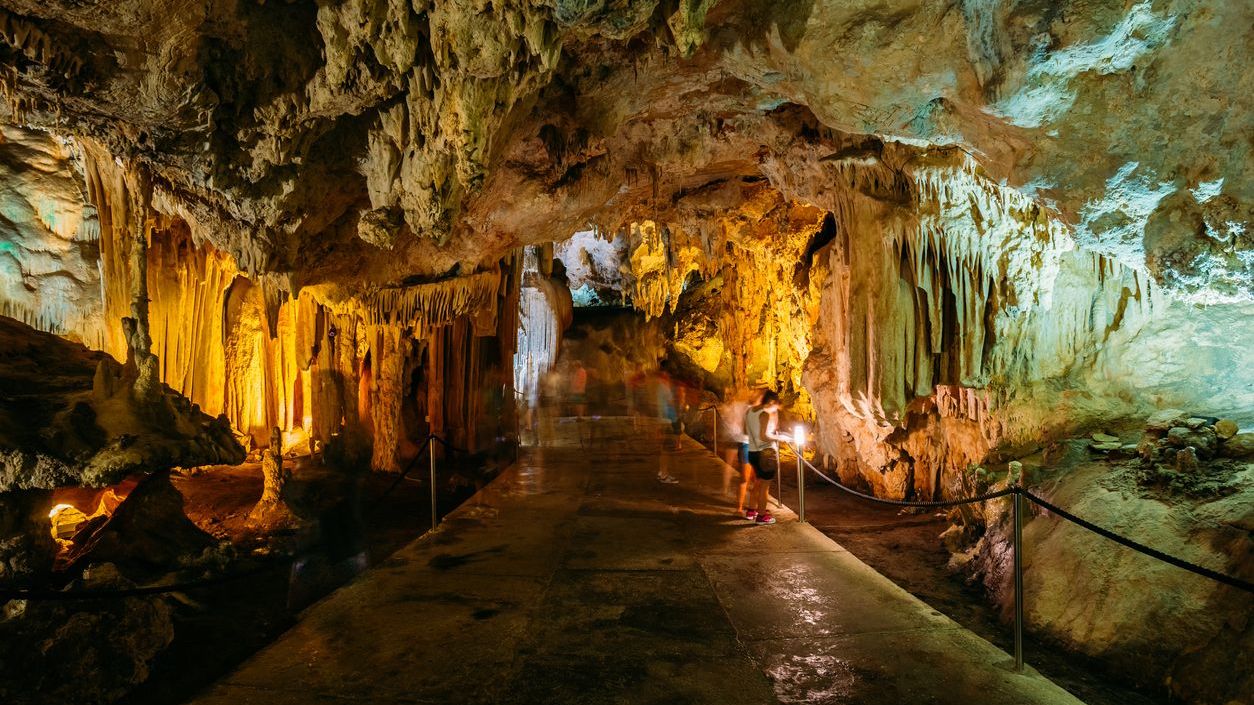
The Nerja caves are a managed visitor site rather than a wild cave system. Entry is controlled by ticket times, the route is clearly marked, and the interior is lit throughout. You walk a fixed route through several large chambers connected by wide paths and staircases. The full visitor route measures just over 500 metres and includes a mix of flat walkways and stepped sections.
Most visitors use the included audio guide, which you download to your phone in advance. This explains the geology, archaeological finds, and how the caves were discovered in 1959. The visit is self‑paced within your entry slot, so you can stop at rest areas or move faster if you prefer.
Opening hours and prices for visiting the Nerja caves
The Nerja caves are open most days of the year, with extended hours during summer, Easter, Christmas, and public holidays. Standard opening hours are from 09:15 to 16:30 (17:30 in Summer), with last entry one hour before closing. The site is closed on selected public holidays, including 1 January, 6 January, 15 May, and 25 December.
Standard tickets include entry to the caves, access to the Nerja Museum in town, and use of the audio guide app if downloaded in advance. Online prices start from around €18 and can be purchased here. There’s also a free early‑morning (09:15) visit on weekdays for EU citizens, although places are very limited and must be booked online 48 hours in advance.
On‑site parking is paid by the minute, with lower rates after the first 90 minutes. Most visits last between 90 minutes and two hours, including time outside.
Where are the Nerja caves located in Málaga province?
The caves of Nerja Malaga sit around three kilometres east of Nerja town, close to the village of Maro. They’re approximately 50 kilometres east of Málaga city and are reached directly from the A‑7 motorway. If you’re driving, take exit 929 and follow signs for “Cueva de Nerja”. The road leads straight to the car park and visitor entrance.
There’s also a regular bus service connecting Málaga city, Nerja town, and the caves, which makes visiting without a car straightforward. Taxis from Nerja are common and reasonably priced. Many visitors combine the caves with time in Maro or a walk through Nerja itself, including the Balcón de Europa and nearby beaches.
The world’s largest column and the scale of the cave chambers
One of the features most visitors notice immediately is the sheer size of the chambers. The caves in Nerja Spain are made up of several vast halls with high ceilings, wide floors, and dramatic rock formations. In the Sala del Cataclismo, you can see one of the largest known natural columns in the world, formed where a stalactite and stalagmite have joined over thousands of years.
The scale is not abstract once you’re inside. Voices echo, lighting highlights depth rather than decoration, and the distance between formations becomes clear as you walk. This is one of the reasons the caves have also been used for concerts and performances, including the long‑running summer music festival held in the main hall.
What to see inside the Nerja caves during the visitor route
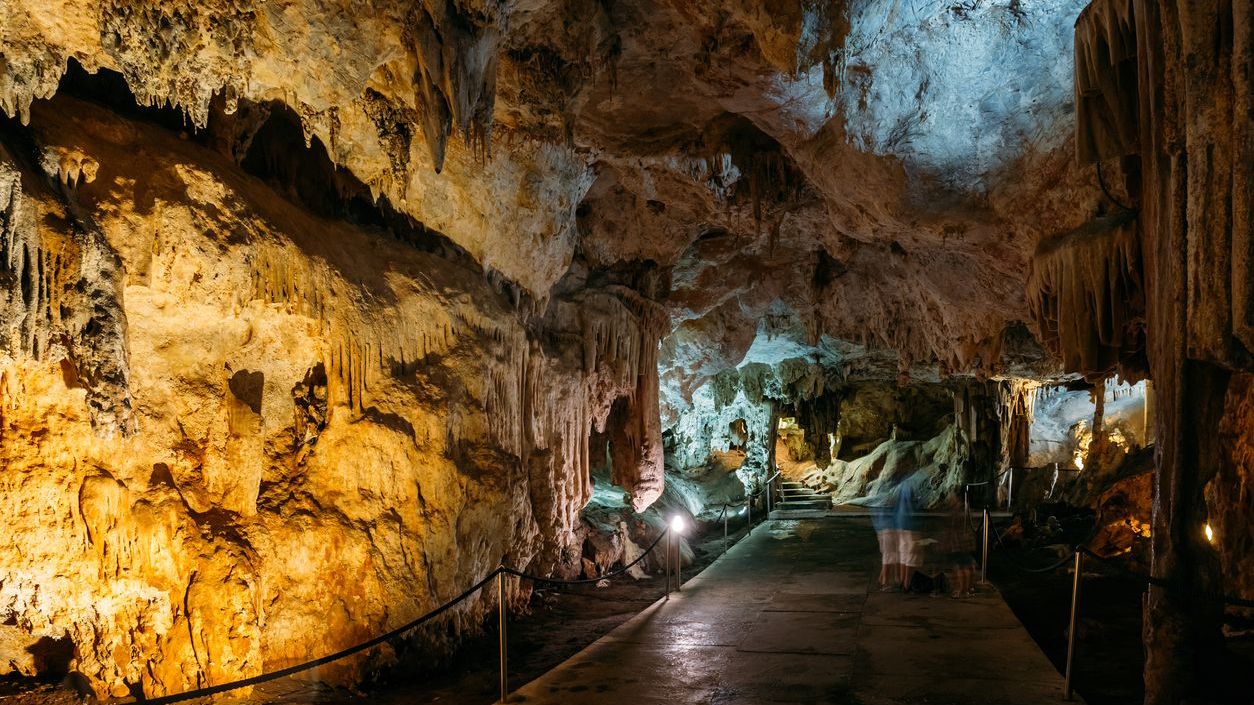
The guided route through the Nerja caves Spain includes several named chambers, each with different formations and features. You pass through areas with dense stalactites, wide open floors, and sections where prehistoric remains were discovered. Information points explain where human activity took place, including areas used for shelter, ritual, and burial over thousands of years.
Although many of the most fragile archaeological areas are closed for conservation, replicas and explanations are provided through the audio guide. This helps place what you’re seeing in context without opening sensitive sections to foot traffic. For visitors interested in history, the included Nerja Museum in town expands on these finds with artefacts and digital displays.
Practical tips for visiting the Nerja caves comfortably
Wear comfortable shoes with a good grip, as the stone floors can be smooth in places. The temperature inside the caves stays cool throughout the year, so a light layer is useful even in summer. The route includes over 450 steps, split between ascending and descending, which is worth keeping in mind if mobility is limited.
Pushchairs are not allowed inside the caves, but storage lockers are available at the entrance. There are rest areas inside the cave, along with benches outside in the gardens. Toilets, a café, picnic areas, and a small gift shop are all located within the visitor complex.
Booking tickets online in advance is strongly recommended during school holidays and summer months. Arriving at least 15 minutes before your entry time helps avoid queues at the entrance.
Discover the natural wonder of Andalusia and plan your visit
For many travellers, the Nerja caves provide a break from beach days without requiring a full day away from the coast. They’re easy to combine with nearby villages like Frigiliana, coastal walks, or an afternoon at one of the local beaches. The caves of Nerja Malaga work well for couples, families with older children, and visitors interested in geology or early history.
If you’re planning a stay on the eastern Costa del Sol, booking accommodation close to Nerja makes visiting simple. At Home offers apartments, villas, and holiday rentals across the area, giving you flexibility on location and length of stay. With a comfortable base nearby, fitting the Nerja caves Spain into your holiday becomes a straightforward and worthwhile addition.