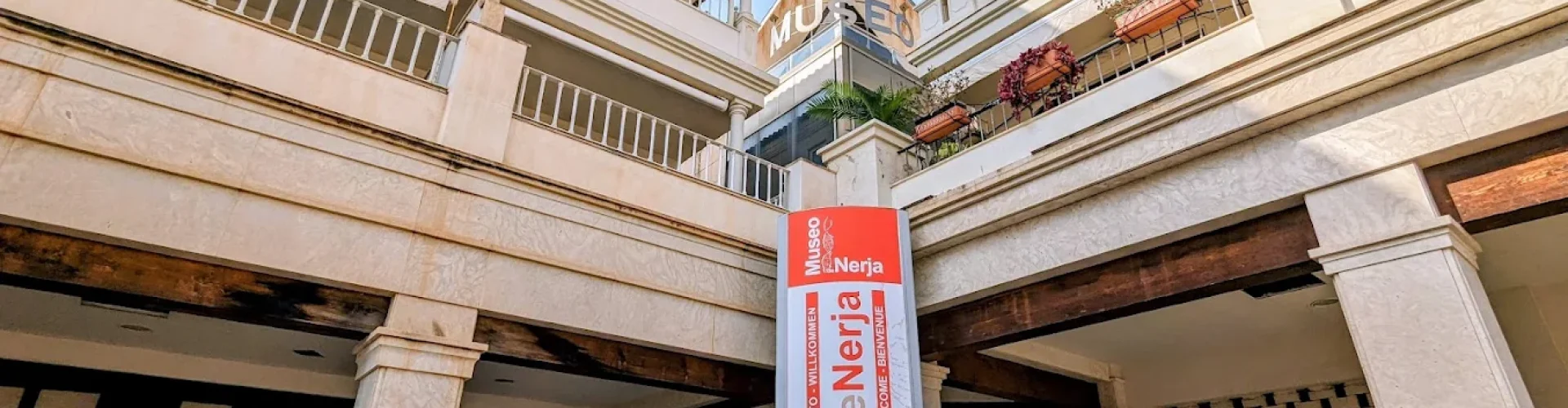
Right in the heart of Nerja, just off Plaza de España, the Museo de Nerja takes you through the town’s story—from its earliest human settlements to modern times. It isn’t large, but the museum is packed with highlights: prehistoric finds, local maps, and even exhibits about the famous TV series Verano Azul.
Among its five levels, you’ll also find a dedicated section about the Nerja Caves and their discoveries (sometimes referred to as the “Nerja Caves Museum”). This makes it the perfect introduction before visiting the cave site itself, which is a short drive away in Maro.
History of the Nerja Caves and their discovery
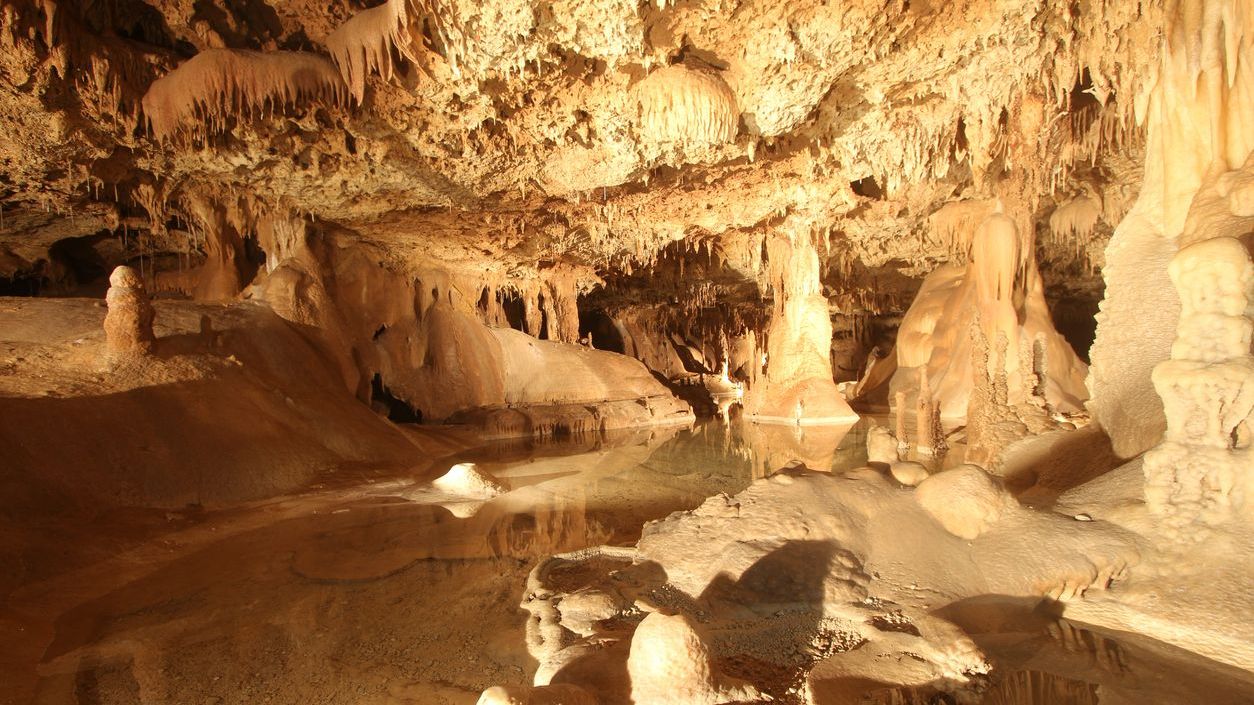
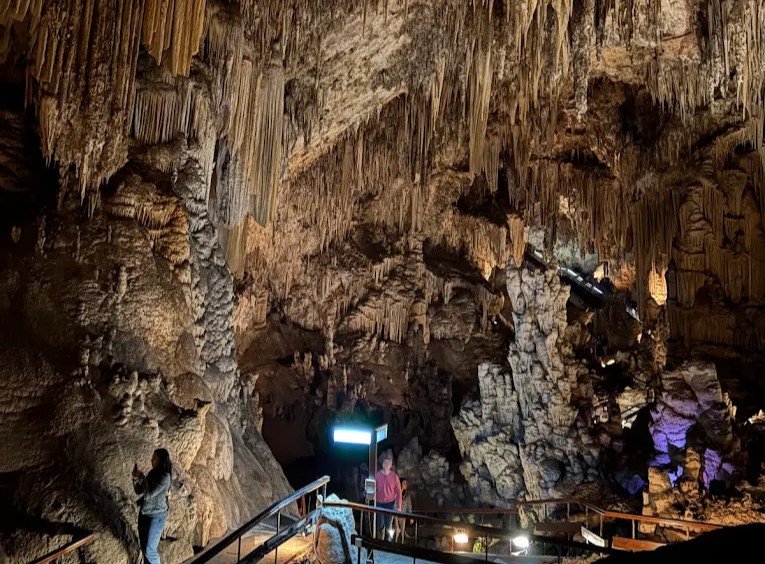
The story behind the Nerja Caves is as fascinating as the exhibits you’ll find in the Nerja Museum. In 1959, a group of local boys exploring near Maro discovered what would become one of Europe’s most important prehistoric sites. Inside were chambers filled with rock art, skeletons, and remains of early habitation.
That discovery not only transformed Nerja’s future but also expanded our understanding of human history in southern Spain. The museum carefully links these findings to the modern-day town, illustrating how the caves shaped Nerja’s economy, tourism, and cultural identity.
What you will find inside the Nerja Museum
The museum’s permanent exhibition is divided into five main areas, each dedicated to a different period of local history. The displays mix archaeological finds with photographs, models, and videos, creating a clear picture of how Nerja has evolved over time.
Mezzanine 1
Your visit begins on Mezzanine 1, where an introductory film gives an overview of the museum’s content and its role as a cultural hub for the community. It’s a good starting point, showing how the museum connects past and present.
Floor 1
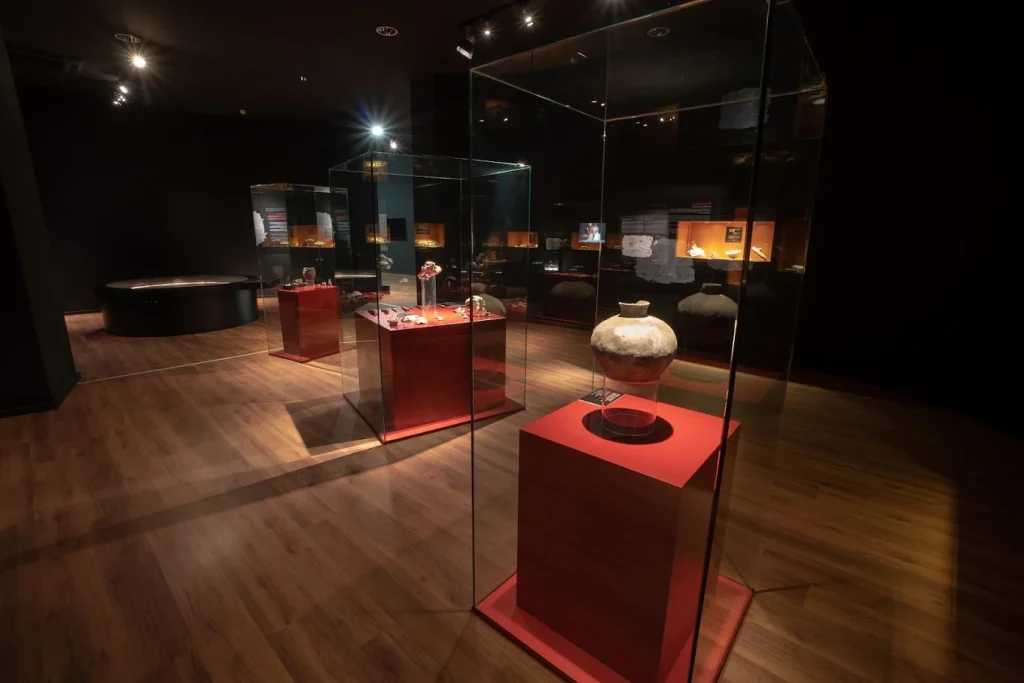
From there, Floor 1 explores Nerja’s early history, beginning with the Phoenician settlements and ending in the 16th century. This section places strong emphasis on the Roman and Andalusian periods, which were key moments when both Nerja and Maro were established. Pottery fragments, coins, and everyday tools give you a sense of how people lived here centuries ago.
Mezzanine 2
Next comes Mezzanine 2, which focuses on the 18th century. Here you’ll find exhibits about the “Ermita de Nuestra Señora de Las Angustias” (Hermitage of Our Lady of Anguish), Nerja’s Enlightenment-era figure Manuel Centurión and his paper factory, and historic documents such as the Privilege Book granted by Queen Juana I. There’s even old cartography showing the coastline long before tourism arrived.
Floor 2
On Floor 2, things move into the modern age. You’ll learn about the sugar cane industry that once drove the local economy, the early days of tourism, and the town’s unexpected role in film and television. The discovery of the nearby caves also features prominently here — their impact on science and local identity can’t be overstated. This floor finishes with two Nerja artefacts tied to major global events, reminding visitors that the town’s story has always been part of a wider world.
Floor -1
Finally, take the lift down to Floor -1, home to the section most visitors find unforgettable. This level focuses on the Nerja Caves and the ongoing research carried out there. It’s a sort of Nerja Caves Museum in itself.
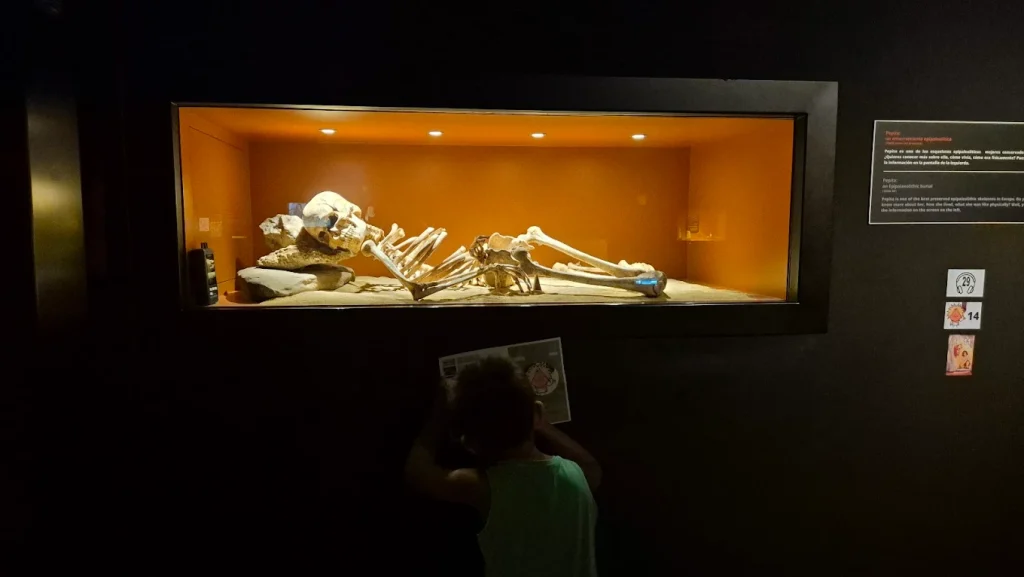
Among the most striking exhibits is Pepita, a skeleton over 9,900 years old, alongside her facial reconstruction. You’ll also find ancient tools, ornaments, and pottery dating from the Neolithic and Chalcolithic eras.
Replicas of cave paintings and models of prehistoric figures give a real sense of life thousands of years ago.
A video rounds off the visit, recounting the 1959 discovery of the caves and showing footage from areas that remain closed for conservation.
Opening hours, tickets and guided tours
The Nerja Museum’s opening schedule is as follows:
- July and August: Monday to Sunday, from 10:00 AM to 5:00 PM.
- Rest of the year: Tuesday to Sunday, from 10:00 AM to 4:00 PM.
Note: The museum is closed on Mondays outside July and August. Last entry is 30 minutes before closing time.
Nerja Museum tickets are affordable (€3 for kids, €4 for adults). You can even use your Nerja Caves ticket for free museum entry within 10 days of the ticket date.
Tickets can be bought at the door or online, which helps you avoid queues in busier months. Guided tours are also available, offering a concise but informative overview led by knowledgeable local guides.
Visit the official Museo de Nerja website for full details.
Cultural activities and temporary exhibitions
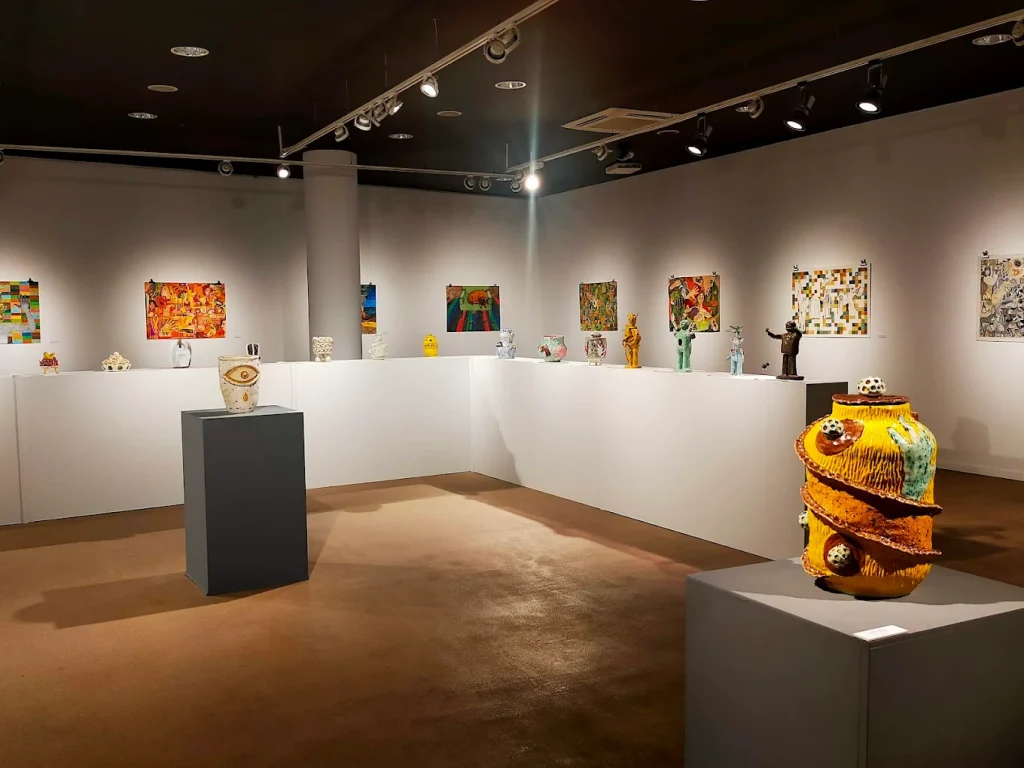
Beyond the permanent collection, the museum hosts rotating exhibitions and community events throughout the year in the Ana María Márquez room. These might include local art shows, photography displays, or lectures on archaeology and regional history. The idea is to keep the museum dynamic, creating a space that reflects contemporary Nerja as much as its past.
If you happen to visit during one of these events, you’ll see how the museum functions as part of local life, not just a tourist attraction. It’s the sort of place where history and culture genuinely overlap.
What to see near the museum
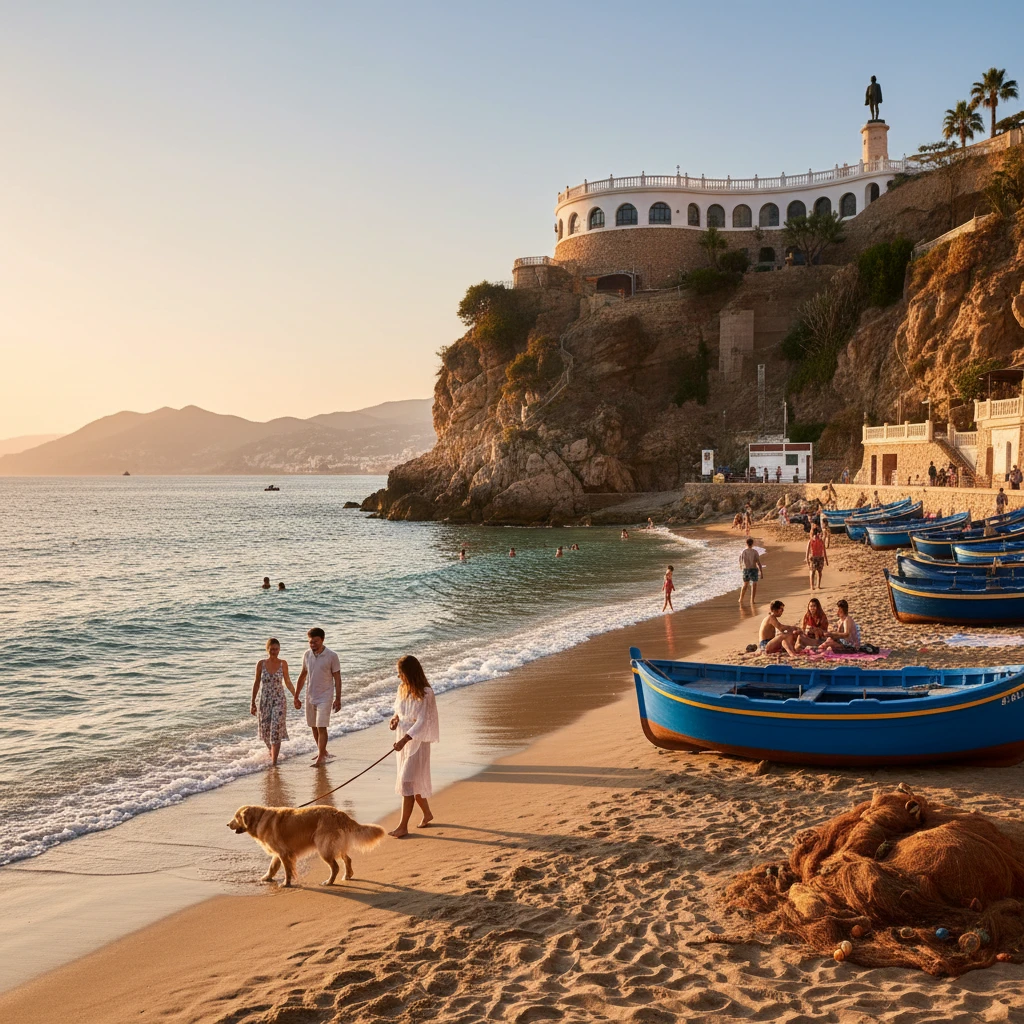
When you step outside, you’re in one of Nerja’s most attractive spots. The Balcón de Europa is just a few minutes away, offering panoramic sea views and a scattering of cafés for a break in the sun.
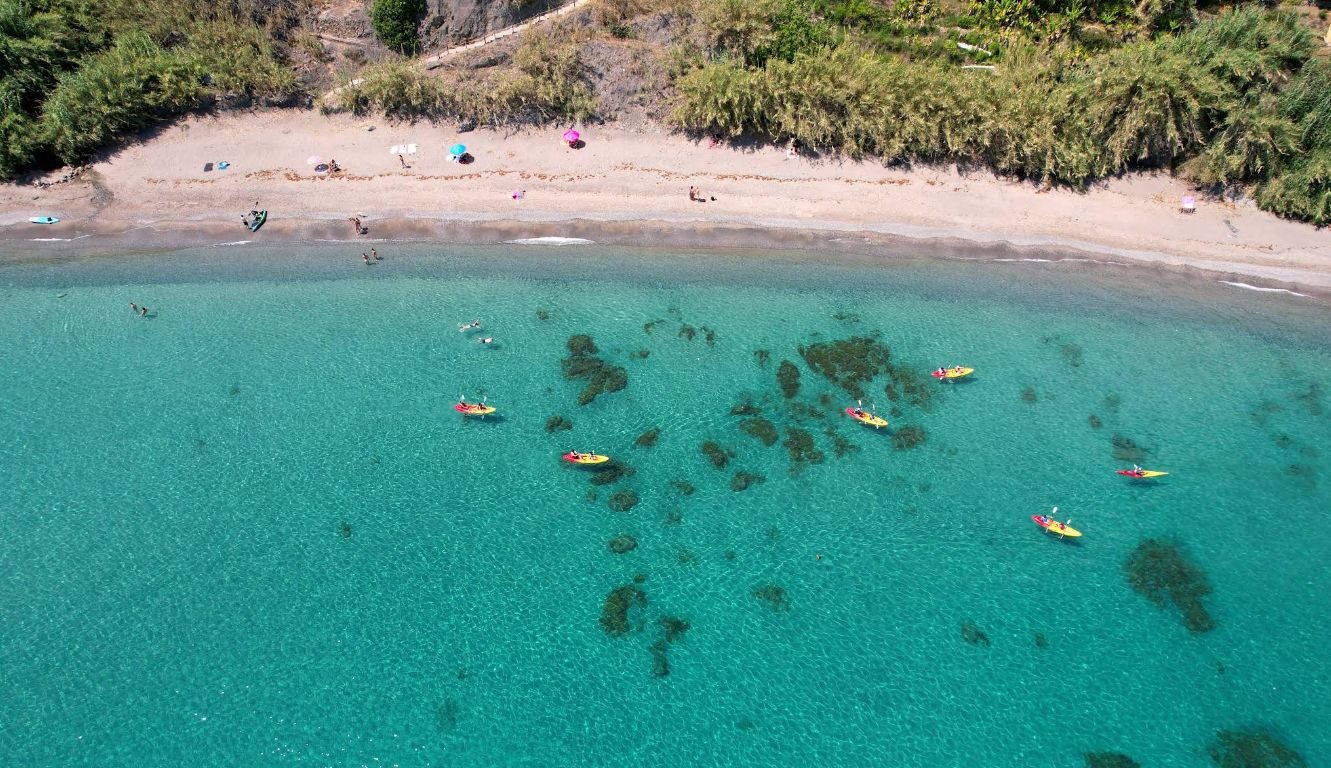
If you prefer something quieter, stroll down to Calahonda Beach or head towards Maro to see the cave entrance itself. The nearby streets are filled with small shops and restaurants, making it easy to spend a relaxed afternoon without needing to move your car.
Come visit the history of Nerja
The Museo de Nerja is a compact but captivating stop for anyone curious about Andalusia’s history. From Pepita to paper mills, from ancient cave paintings to Verano Azul, it covers more ground than you’d expect and ties it all together with clarity and care.
If you want to understand Nerja beyond the beaches and viewpoints, this museum is the place to start. It explains not just what the town is, but how it became that way.
When planning your visit, consider staying with At Home, which offers stylish apartments and villas across the Costa del Sol. Their properties give you the comfort and space to explore at your own pace, whether you’re visiting the museum, exploring the caves, or simply enjoying the sea views that made Nerja famous.